


The historical evolution of casinos From ancient games to modern thrills
The Origins of Gambling: Ancient Civilizations
The history of casinos can be traced back to ancient civilizations, where gaming activities were embedded in the culture. In places like ancient China, gambling was not merely a pastime; it was intertwined with social and economic practices. Archaeological evidence suggests that as early as 2300 B.C., Chinese people engaged in games involving dice and betting, laying the groundwork for modern gambling. Today, players can enjoy offerings like stay casino 20 free spins that enhance their gaming experiences.
Similarly, in ancient Rome, gambling was a popular activity among soldiers and civilians alike. The Romans utilized various forms of betting, from simple dice games to more complex wagers on gladiatorial contests. These activities demonstrated not only the human inclination toward risk and reward but also set the stage for organized betting that would eventually evolve into the casinos we know today.
The transition from informal betting to structured gambling is exemplified in ancient Mesopotamia. The region is known for its contributions to the gaming world, notably through the invention of the first known dice around 3000 B.C. These innovations spread across cultures, influencing gaming practices in Europe and beyond, and illustrating the timeless appeal of games of chance throughout history.
The Rise of Formal Gambling Houses in Europe
The 17th century marked a significant shift in the gambling landscape with the establishment of formal gambling houses across Europe. Venice’s Ridotto, opened in 1638, is often considered the first official casino. The Ridotto catered to the aristocracy, offering games like baccarat and blackjack in an opulent environment. This development signified the transition from informal gambling to a more regulated and luxurious experience.
As gambling gained popularity, various European nations introduced their own gaming houses, each adding unique flair to the gaming experience. The emergence of these establishments not only highlighted the societal acceptance of gambling but also paved the way for the modern casino culture. By the 18th century, casinos began to incorporate various forms of entertainment, making them social hubs as much as places for gambling.
The evolution continued through the 19th century, with the establishment of iconic casinos like Monte Carlo in Monaco. This period saw the introduction of roulette and other games that would become staples in casinos worldwide. Monte Carlo’s allure and reputation for luxury set a benchmark, influencing how casinos would be designed and operated in the years to come.
The American Gambling Boom
The 20th century brought a new wave of casino development, particularly in the United States. Initially, gambling was legal in several states, but the Great Depression forced many establishments to shut down. However, Las Vegas emerged as a beacon of hope and opportunity. In the 1940s and 1950s, mobsters invested heavily in casinos, transforming the city into a gambling mecca that attracted millions.
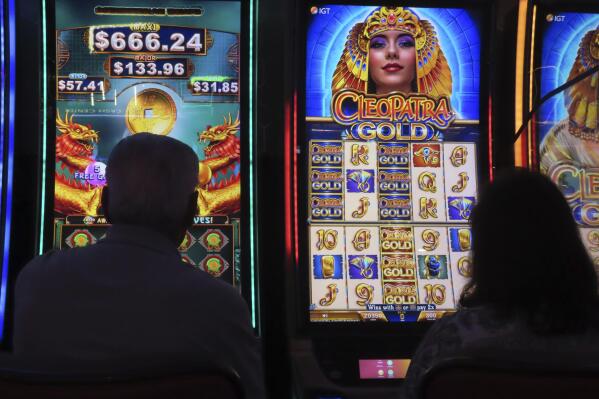
The legalization of gambling in Nevada in 1931 marked a turning point for the American casino scene. Las Vegas became synonymous with extravagant casinos, elaborate shows, and a vibrant nightlife. The introduction of slot machines and other electronic games attracted a broader audience, making casinos accessible to everyone, not just high rollers. This period of expansion laid the foundation for the modern casino experience.
The gaming industry continued to evolve in the latter half of the 20th century, with states like New Jersey following suit. Atlantic City, legalized in 1976, sought to replicate Las Vegas’s success. The competition between the two cities fueled innovations in gaming and entertainment, leading to the modern casino landscape where guests expect not just games, but comprehensive experiences that include dining, shopping, and entertainment.
The Digital Revolution and Online Casinos
The advent of the internet has dramatically reshaped the casino industry, giving rise to online gambling platforms. The first online casino appeared in the mid-1990s, making it possible for players to access a variety of games from the comfort of their homes. This revolution democratized gambling, allowing people worldwide to participate in gaming activities without geographical constraints.
As technology advanced, online casinos began to offer live dealer games, enhancing the sense of authenticity and excitement. Players could interact with real dealers through video streaming, bridging the gap between traditional and online gambling experiences. The convenience of mobile gaming further expanded the audience, with numerous platforms optimizing their offerings for smartphones and tablets.
The rise of online casinos has also spurred innovations in game design, from interactive slots to complex table games. New features like bonuses, loyalty programs, and various payment methods have made online gambling an attractive option for players. This shift continues to influence the landscape of the gaming industry, as traditional casinos adapt to the growing popularity of online platforms.

The Future of Casinos: A Blend of Tradition and Innovation
As the casino industry continues to evolve, the integration of technology and entertainment remains a crucial focus. Traditional casinos are now experimenting with virtual reality and augmented reality to enhance the guest experience. These technologies promise immersive gaming environments that blend the thrill of gambling with cutting-edge visuals, paving the way for a new era in gaming.
Additionally, responsible gaming has become a central theme, with casinos investing in tools and resources to promote safe gambling practices. This commitment reflects a growing awareness of the social responsibilities that come with operating gaming establishments. As regulations tighten and societal expectations shift, casinos are reimagining their role within the community.
In conclusion, the evolution of casinos from ancient games to modern thrills showcases the enduring allure of gambling. With a rich history and a bright future, the industry is poised for continued growth and innovation. As platforms like Stay Casino provide diverse gaming experiences, both newcomers and seasoned players can look forward to an exciting journey through the world of gaming.
Comments are closed.